

What Your Dog's Gum Color Means: A Simple Guide to Dog Health

What Your Dog's Gum Color Means: A Simple Guide to Your Dog's Health
Your dog's gums can give you useful clues about their health. Learn what healthy pink gums look like, what pale, yellow, red, blue, purple, and white gums may mean, and when your dog should be checked by a veterinarian.
Why Should You Check Your Dog's Gums?
Most pet parents pay attention to their dog's teeth when they notice bad breath or tartar. But the gums are also an important part of your dog's mouth and overall health.
A quick look at your dog's gums can help you understand what is normal for your pet and may help you notice a change early. Healthy gums are generally pink and moist, although some dogs naturally have black or spotted pigmentation.
The important thing is to know what your dog's gums normally look like. A sudden change in colour should not be ignored, especially if your dog is also weak, breathing differently, refusing food, vomiting, bleeding, or acting unusually.
Dog Gum Color Guide
The infographic below gives a simple visual guide to some of the gum colours pet parents may notice. It should be used as a general reference and not as a replacement for veterinary care.

Dog gum colour reference guide. Always compare changes with your dog's normal gum colour and seek veterinary advice when necessary.
What Do Healthy Dog Gums Look Like?
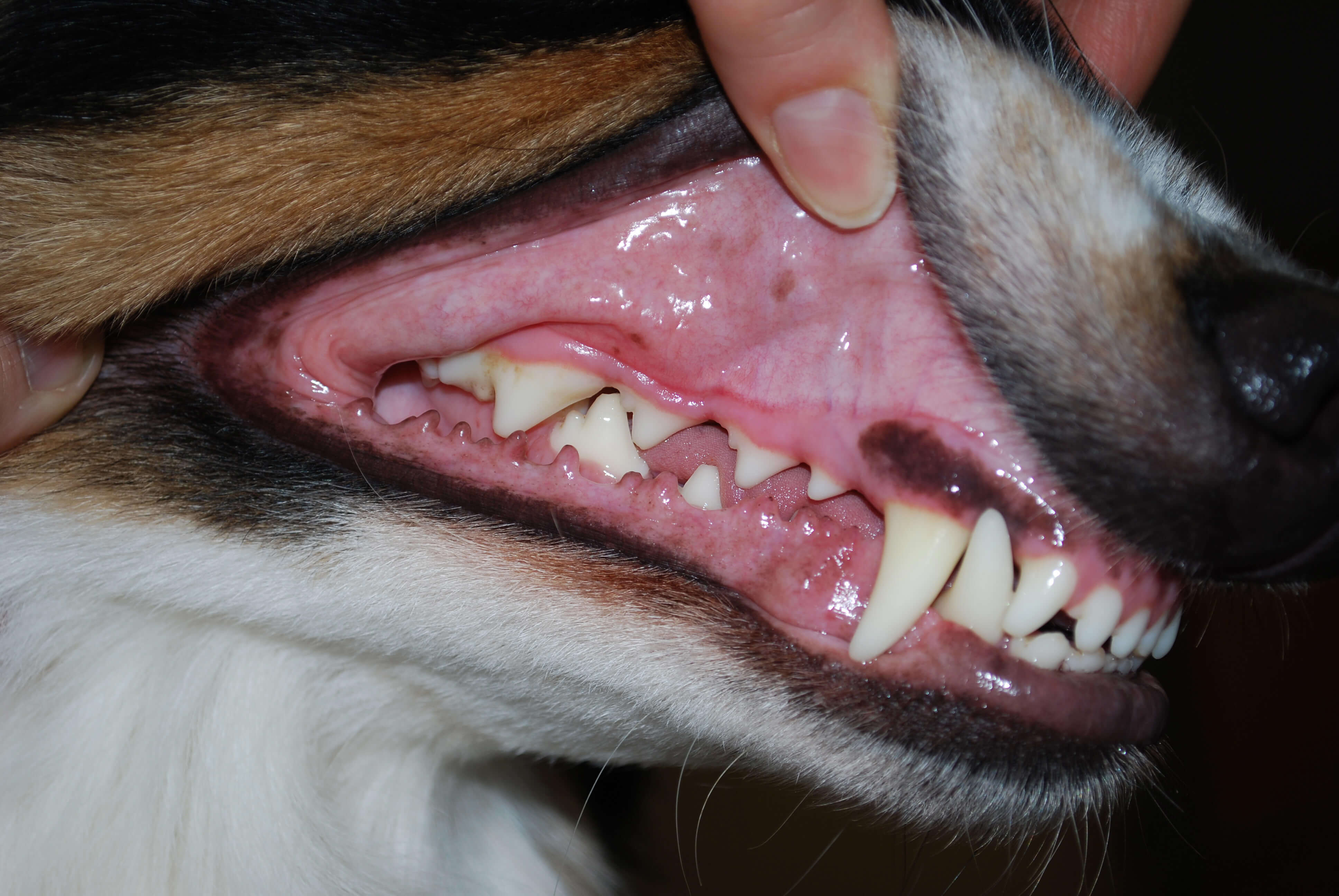
Healthy dog gums are usually light pink or salmon pink. They should normally look moist and comfortable rather than dry or sticky.
Healthy gums are a good sign, but they do not mean that your dog's entire mouth is free from dental problems. Plaque and dental disease can develop around and below the gumline, so regular dental care is still important.
Different Dog Gum Colors and What They May Mean
A change in gum colour can have different causes. The following information can help you understand what you are seeing, but only a veterinarian can determine the actual cause.
Healthy Pink Gums
Pink or salmon-coloured gums are generally normal for most dogs.
The gums should normally be moist and similar to your dog's usual appearance.
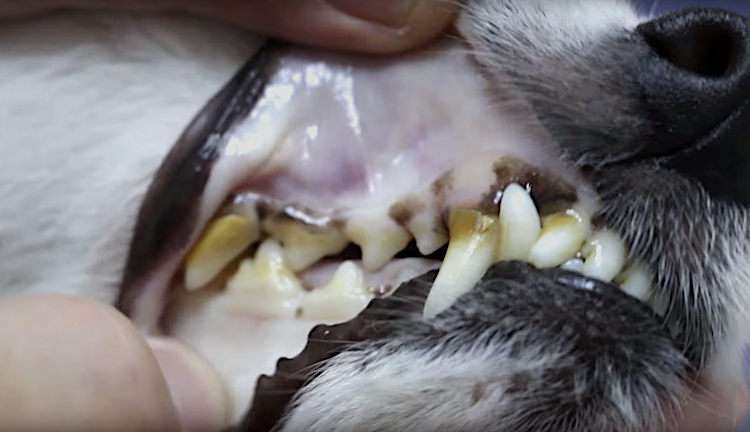
Pale Pink or White Gums
Pale or white gums are not normal for most dogs and can sometimes be associated with anaemia, blood loss, shock, or circulation problems.
If your dog's gums suddenly become very pale or white, contact a veterinarian promptly.
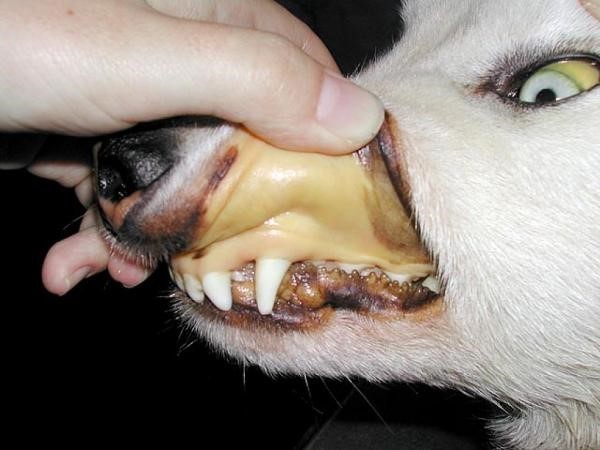
Yellow Gums
Yellow gums can be associated with jaundice. Jaundice can occur when bilirubin builds up in the body.
Liver disease and problems involving red blood cells are among the possible causes, so yellow gums should be checked by a veterinarian.
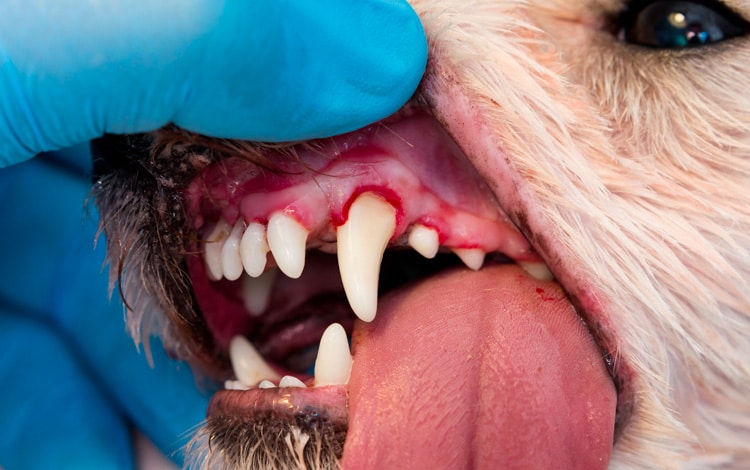
Red or Bright Red Gums
Red gums around the teeth can be associated with gingivitis and other dental problems.
Very bright red gums throughout the mouth can have more serious causes, especially when your dog is also showing other signs of illness.
Blue, Purple or Grey Gums
Blue or Purple Gums
Blue, purple, or grey gums can be associated with low oxygen levels or serious circulation problems.
This can occur with certain breathing, heart, circulation, or emergency conditions.
If your dog is struggling to breathe, collapsing, extremely weak, or unresponsive, treat the situation as an emergency.
Very Pale or White Gums
Very pale or white gums may occur with severe anaemia, blood loss, shock, or poor circulation.
The seriousness depends on the underlying cause and your dog's other symptoms.
Do not wait if the gum colour change is sudden or your dog appears seriously unwell.
Dog Gum Color Chart
| Gum Color | What It May Mean | What You Should Do |
|---|---|---|
| Pink | Usually normal when it matches your dog's usual appearance. | Continue regular dental and health checks. |
| Pale Pink | May be associated with anaemia, blood loss, shock, or circulation problems. | Contact your veterinarian promptly. |
| White | Can occur with serious anaemia, blood loss, shock, or poor circulation. | Seek urgent veterinary assessment. |
| Yellow | May be associated with jaundice and possible liver or red-blood-cell problems. | Arrange veterinary assessment. |
| Bright Red | Can be associated with gum inflammation and dental disease, while widespread bright red gums can have other causes. | Contact a veterinarian, particularly if your dog is unwell. |
| Blue, Purple or Grey | May indicate inadequate oxygenation or serious circulation problems. | Seek emergency veterinary care. |
What If My Dog Has Black Gums?
Some dogs naturally have black, brown, or spotted pigmentation inside their mouths. This can be completely normal.
If your dog has always had dark patches and they have not changed, there may be no reason for concern.
However, a new dark area, lump, swelling, bleeding area, or noticeable change should be checked by your veterinarian.
How to Check Your Dog's Gums at Home
You can perform a simple mouth check at home when your dog is relaxed. Never force your dog's mouth open.
Choose a Calm Time
Check your dog when they are relaxed and comfortable. Avoid checking the mouth when your dog is frightened, excited, or in pain.
Lift the Lip Gently
Gently lift the upper lip and look at the gums around the teeth.
Look at the Gum Color
Check whether the gums look like their normal colour. Look for sudden changes, unusual patches, swelling, or bleeding.
Look at the Teeth
Check for heavy tartar, broken teeth, loose teeth, unusual staining, or anything that looks different from normal.
Check the Gum Moisture
Healthy gums are generally moist. Dry or sticky gums can be associated with dehydration or illness and should be considered together with other signs.
What Should Healthy Dog Teeth Look Like?
Healthy teeth should not have heavy tartar covering the tooth surface. The gumline should not be severely swollen or bleeding.
A little plaque can develop naturally during the day, but plaque can eventually harden into tartar. Dental disease can also develop below the gumline where it cannot be seen easily at home.
Signs of Healthy Teeth
- Clean-looking teeth
- Normal gum colour
- No major swelling
- No unexplained bleeding
- Normal eating behaviour
Signs of Dental Problems
- Heavy tartar
- Red or swollen gums
- Bleeding gums
- Persistent bad breath
- Loose teeth
- Broken teeth
- Difficulty chewing
Why Are My Dog's Gums Red?
If you see redness along the gumline, especially around teeth with plaque or tartar, your dog may have gingivitis.
Gingivitis means that the gums are inflamed. Dogs with dental disease may also have bad breath, swollen gums, bleeding, difficulty chewing, or changes in eating behaviour.
Dental disease can progress below the gumline, so a veterinary examination is important when the gums remain red or your dog is showing signs of mouth pain.
How to Keep Your Dog's Teeth and Gums Healthy
Dental care should become part of your dog's normal routine. Starting early and making the experience positive can make brushing much easier.
Regular Tooth Brushing
Use a toothbrush and toothpaste designed specifically for dogs. Never use human toothpaste unless your veterinarian specifically recommends it.
Regular Veterinary Checks
Your veterinarian can check areas of the mouth that are difficult to see at home and recommend treatment when necessary.
Dental Care Products
Depending on your dog's needs, your veterinarian may recommend suitable dental chews, dental diets, brushes, or other oral-care products.
How to Start Brushing Your Dog's Teeth
If your dog has never had their teeth brushed before, start slowly. Trying to brush the entire mouth on the first day can make your dog nervous.
Get Your Dog Comfortable
Gently touch around the lips and mouth and reward calm behaviour.
Introduce Dog Toothpaste
Allow your dog to smell and taste a small amount of toothpaste made for pets.
Start Slowly
Begin by brushing just one or two teeth and gradually increase the amount you brush.
Make It a Routine
Try to make dental care a regular part of your dog's routine. If your dog struggles with brushing, speak with your veterinarian about other options.
When Should You Take Your Dog to a Veterinarian?
A change in gum colour does not tell you exactly what is happening inside your dog's body. Your veterinarian may need to perform a physical examination and diagnostic tests to find the cause.
Contact Your Veterinarian If You Notice
- New pale gums
- White gums
- Yellow gums
- Persistent red gums
- Swollen gums
- Bleeding gums
- Severe bad breath
- Loose teeth
- Broken teeth
- Difficulty eating
Seek Emergency Veterinary Care If You See
- Blue gums
- Purple gums
- Grey gums
- Very white gums with weakness
- Collapse
- Severe breathing difficulty
- Heavy bleeding
- Severe weakness
- Unresponsiveness
If your dog has blue, purple, or grey gums and is struggling to breathe, collapsing, or seriously unwell, seek emergency veterinary care immediately.
Simple Dog Gum and Teeth Check
Check the Gums
- Is the colour normal for your dog?
- Are the gums moist?
- Is there swelling?
- Is there bleeding?
- Are there new dark or unusual areas?
Check the Teeth
- Is there heavy tartar?
- Are any teeth broken?
- Are any teeth loose?
- Is there unusual staining?
- Does your dog have difficulty eating?
Frequently Asked Questions About Dog Gum Color
What color should a healthy dog's gums be?
Healthy gums are generally light pink or salmon pink and moist. Some dogs naturally have black or spotted pigmentation, so your dog's normal appearance is important.
What do pale gums mean in dogs?
Pale or white gums can be associated with anaemia, blood loss, shock, poor circulation, or other medical conditions. A sudden change should be checked by a veterinarian.
Why are my dog's gums yellow?
Yellow gums can be associated with jaundice. This may occur with liver problems or conditions involving red blood cells. Veterinary assessment is recommended.
Are red gums normal in dogs?
Redness around the gumline can occur with gingivitis and dental disease. If the redness is severe, widespread, persistent, or accompanied by other signs of illness, contact your veterinarian.
Are blue or purple gums dangerous?
Blue, purple, or grey gums can indicate inadequate oxygenation or serious circulation problems. This can be an emergency and requires immediate veterinary attention.
Why does my dog have black gums?
Some dogs naturally have black or dark pigmentation in their gums. This can be completely normal if it has always been present. A new or changing dark area should be checked by a veterinarian.
How often should I check my dog's gums?
Regular checks can help you understand what is normal for your dog. A quick mouth check can be included in your normal grooming and pet-care routine if your dog is comfortable with handling.
Can gum color diagnose a disease?
No. Gum colour can provide a useful clue, but it cannot diagnose a specific disease. A veterinarian may need to examine your dog and perform diagnostic tests.
Dog Healthcare and Dental Care at Life Care Pet Zone
Taking care of your dog's teeth and gums is an important part of responsible pet ownership. At Life Care Pet Zone, we help pet parents with everyday pet care as well as veterinary support.
Pet Healthcare
- Veterinary Consultation
- Pet Pharmacy
- Diagnostic Services
- Vaccination
- Deworming
Dog Care Products
- Dog Food
- Dental Care Products
- Dog Treats
- Grooming Products
- Pet Accessories
Healthy Gums, Healthy Dog
Your dog's mouth deserves regular attention just like the rest of their body. Checking the gums and teeth regularly can help you notice changes early.
If you notice an unusual gum colour, bleeding, swelling, bad breath, damaged teeth, or difficulty eating, speak with your veterinarian.
For pet healthcare, dog food, dental care products, grooming products, treats, and other pet essentials, visit Life Care Pet Zone.
Explore Dog Care ProductsConclusion
Your dog's gums can provide useful clues about their health. Healthy gums are generally pink and moist, while sudden changes to pale, white, yellow, blue, purple, grey, or very red gums may need veterinary attention.
Remember that every dog is different. Some dogs naturally have dark or spotted gums, so learning what is normal for your dog is very important. Regular dental care is also essential because plaque, tartar, gingivitis, and periodontal disease can affect your dog's mouth and cause discomfort.
Make dental care part of your dog's routine, check the mouth regularly, provide appropriate dental products, and arrange regular veterinary checkups. If something suddenly looks different, it is better to ask your veterinarian rather than wait.
Share this article
More Pet Care Articles


- Choosing a selection results in a full page refresh.
- Opens in a new window.